Mountain Guides
Mount Ventana Private Winter Trek in Bariloche
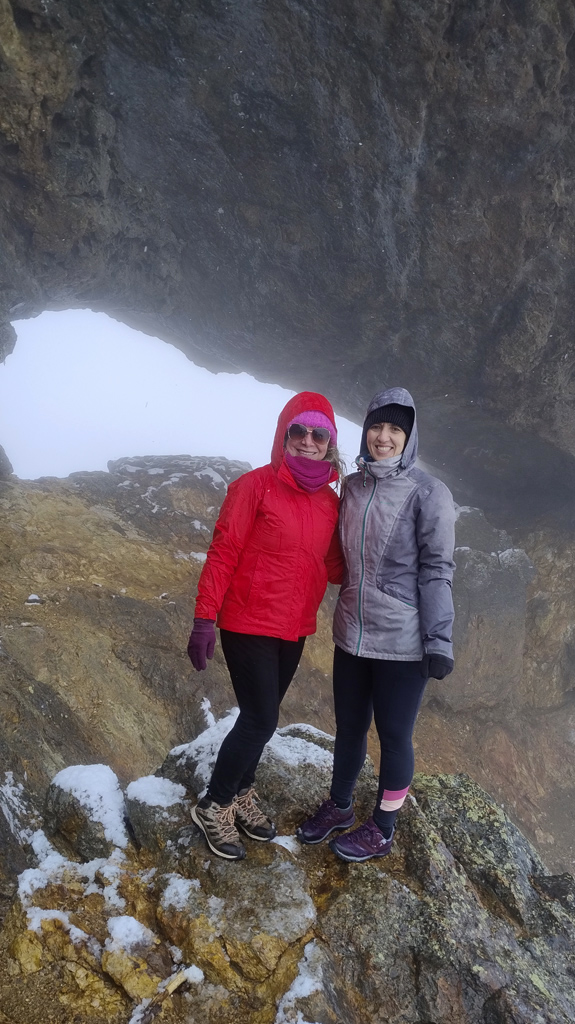
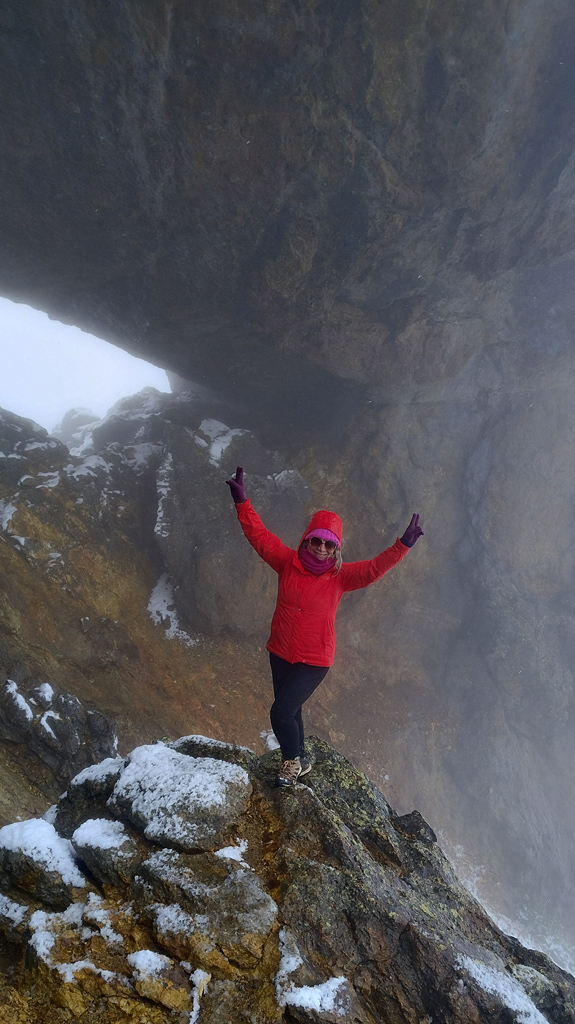
A unique and rewarding winter adventure. Mount Ventana, covered in snow at its highest sections, offers a technical challenge with a serene atmosphere, far from the bustle of busy trails. The famous rock “window,” framed in white, provides spectacular views of Lake Gutiérrez, snow-covered mountains, and the Patagonian winter landscape. Ideal for deeply connecting with the mountain and nature in this season.
Difficulty: Moderate+
Route (round trip): approx. 5 km (total)
Dates: June to September (Winter) – Rest of the year (Summer)
Ventana Elevation: 1,450 m / 4,757 ft
Elevation Gain: +500 m / 1,640 ft
Duration: Full Day (3–4 hrs. one way)
Type: Private Tour
Points of Interest: Water Intake, Cypress Forest, Lake Gutiérrez Viewpoint, Summit Detour, “Ventana”
Others: It is possible to continue the ascent to the SUMMIT at nearly 2,000 m / 6,562 ft, requiring high physical effort (inquire).



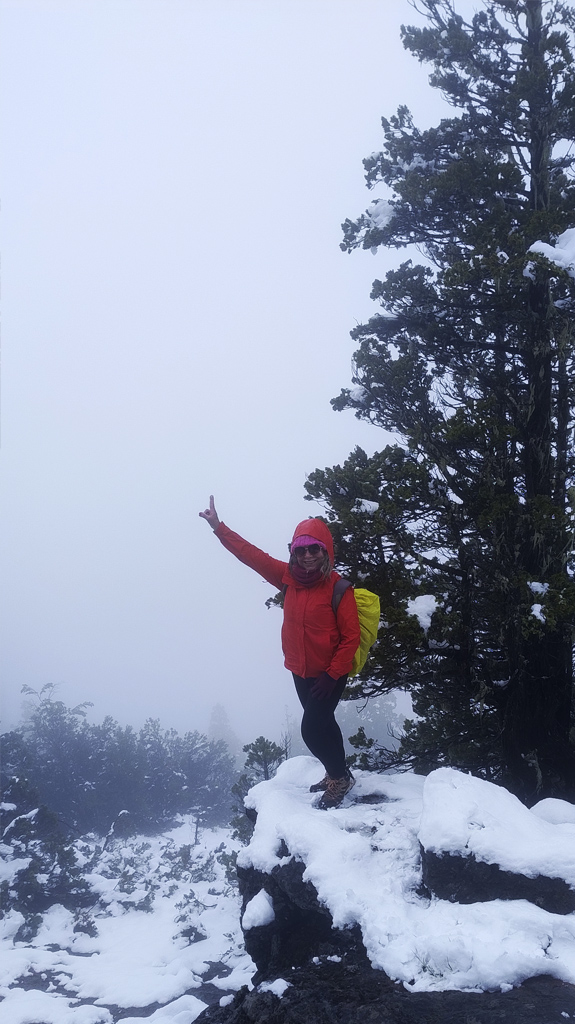


El inicio de este sendero es en la zona conocida como Estancia del Carmen.
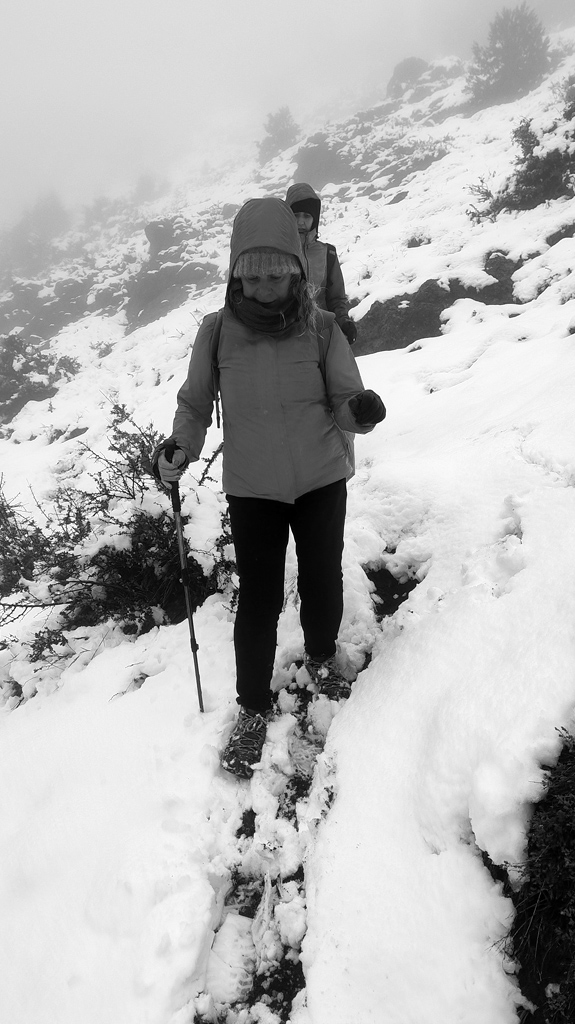
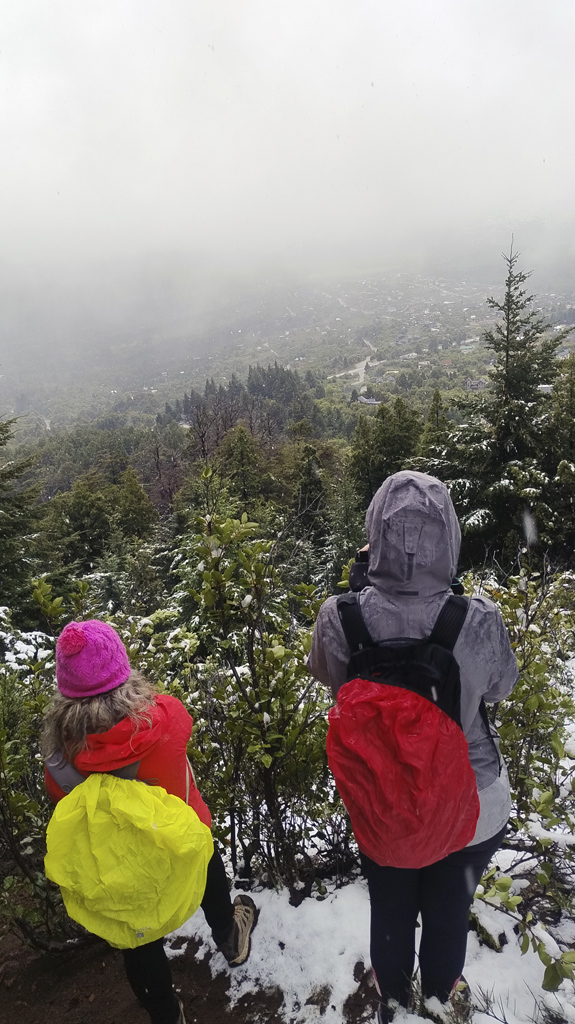
The trek begins near the iconic Route 40, east of Bariloche, and enters a forest of coihues, cypresses, and lengas, which in winter is covered in snow. As you gain altitude, the landscape transforms: branches laden with white give way to rockier, more open terrain, where Patagonian shrubs withstand the cold and wind. The trail is narrow, steep, and in some sections partially hidden by snow.
Due to the amount of rock and the presence of snow or ice, it becomes an even greater technical challenge, but also an intense sensory experience: rock, wind, snow, and forest combine to offer an unforgettable adventure. Every step is an immersion in the winter mountain, with views that invite pausing.
This mountain is also frequented by climbers, as its walls and rock formations remain challenging even in the cold months.
The slope is felt from the beginning, and as you approach the “ventana” (window), the terrain changes to unstable scree where snow accumulates, requiring careful progress. The formation of the “ventana” in the rock, partially covered by ice or frost, allows you to lean over the void and capture a winter snapshot of Lago Gutiérrez and the surrounding snowy peaks.
From the ventana, you’ll have views not only of Lago Gutiérrez and the vast Patagonian landscape but also of Cerro Catedral, Cerro Otto, Bella Vista, and La Vieja, all with their snow-covered summits.
It’s not just about reaching the ventana, but taking the time to enjoy each viewpoint. There are no water sources on the trail, so it’s crucial to carry enough supplies, hot drinks, and proper clothing for wind and low temperatures.
At some point, condors may appear, gliding on the cold currents. In winter, their flight seems even more majestic, standing out against the sky and the white landscape.
The condor is an iconic Patagonian bird, and on Cerro Ventana, you may see it soaring over the peaks. Do you know how it uses thermal currents to glide without expending energy? (When you see it, you’ll notice the incredible movement it makes.)
Cerro Ventana, an ancient volcano, preserves traces of the region’s geological past, now highlighted by snow. The connection to the sea and volcanic activity left a relief that is explored step by step among rocks and frost.
The terrain has a lot of loose rock and scree, which becomes more unstable in winter. The descent requires attention, poles, and good footwear. If you have knee issues or little snow experience, it’s better to choose a less demanding destination like Cerro López or Cerro Goye.
Under the snow, fossil remains may also be found: signs of ancient life that inhabited these lands when everything was very different. Walking Cerro Ventana in winter is to traverse a story still alive, now in silence, covered in white.
For a greater physical challenge, you can opt to ascend to the summit. From there, the panorama expands even further, with an impressive view of the steppe and the snow-covered mountains.
Are you ready to let this ancient volcano tell its story through the landscapes?