

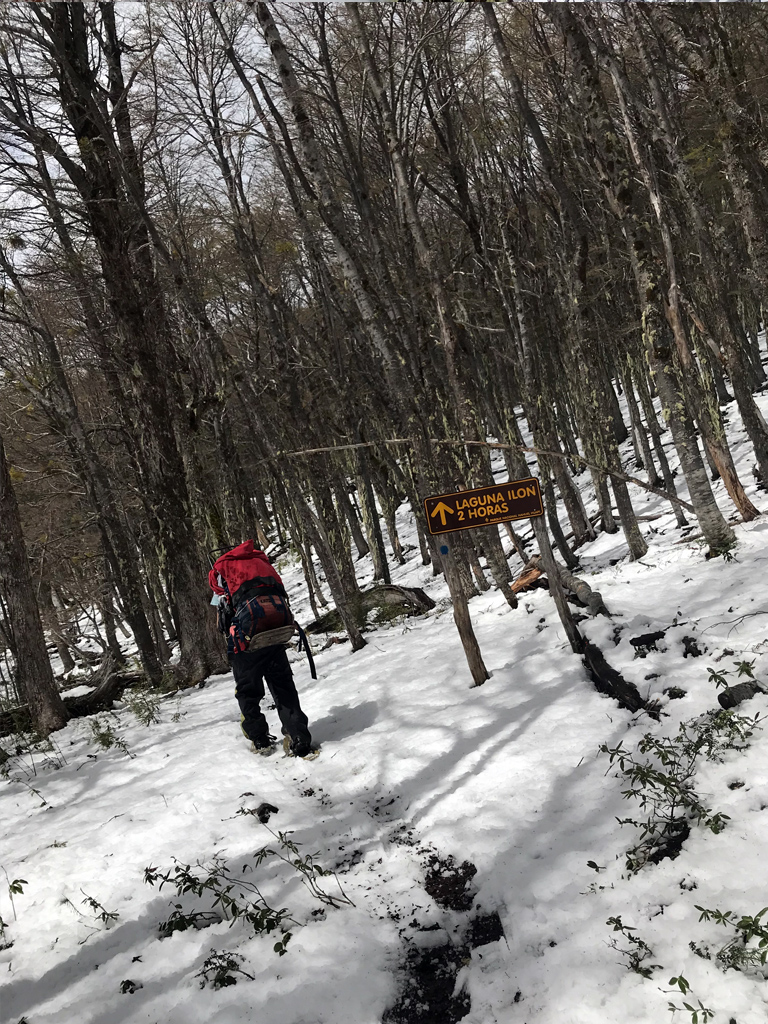

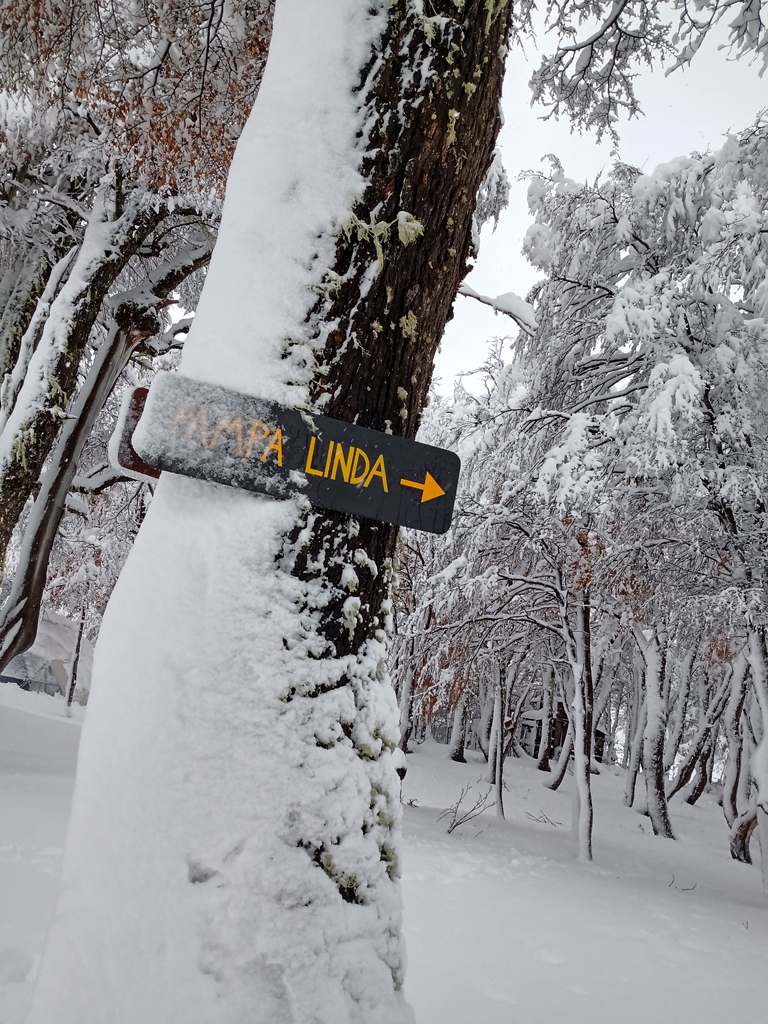
The trekking starts in Pampa Linda, about 80 km from Bariloche. The access, which is easy in summer, can present unstable conditions in winter due to snow or ice, making access to the area particularly important. At the starting point, you cross the Alerce River via a footbridge, and the hike gradually progresses along trails soon covered in white.
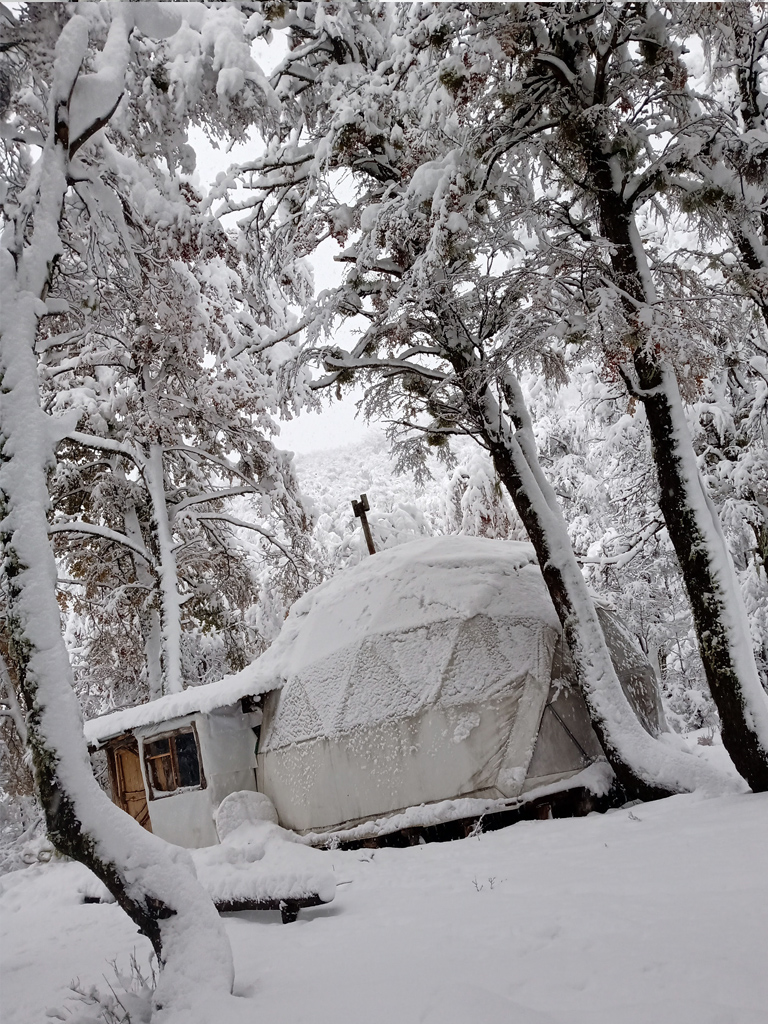
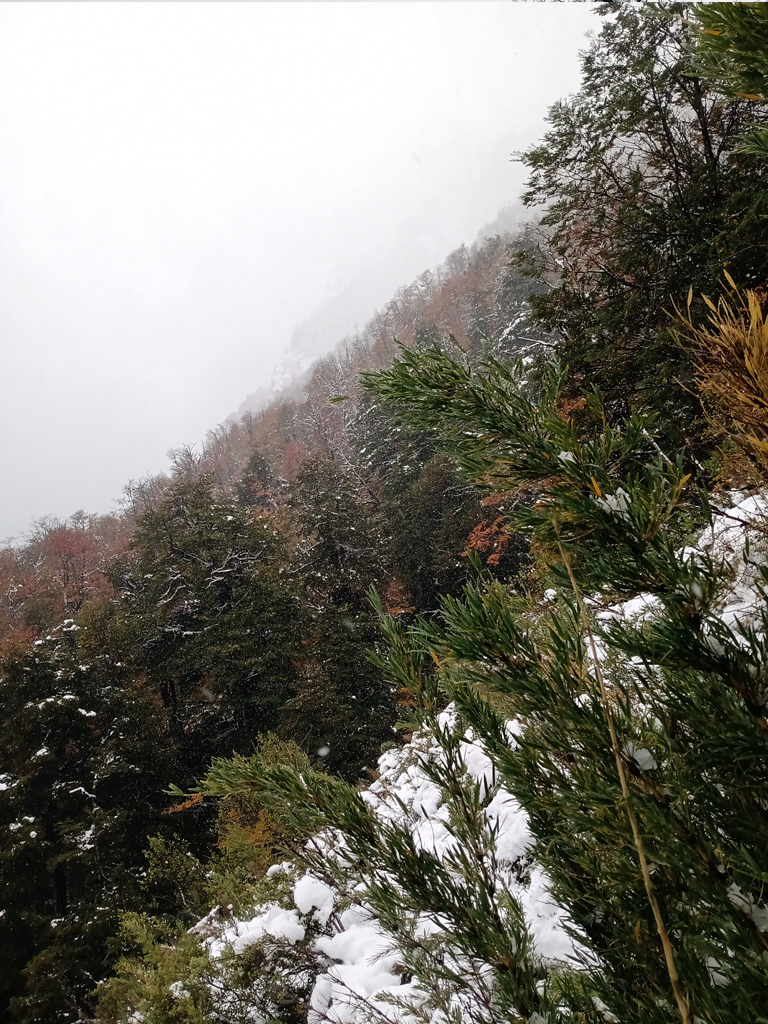
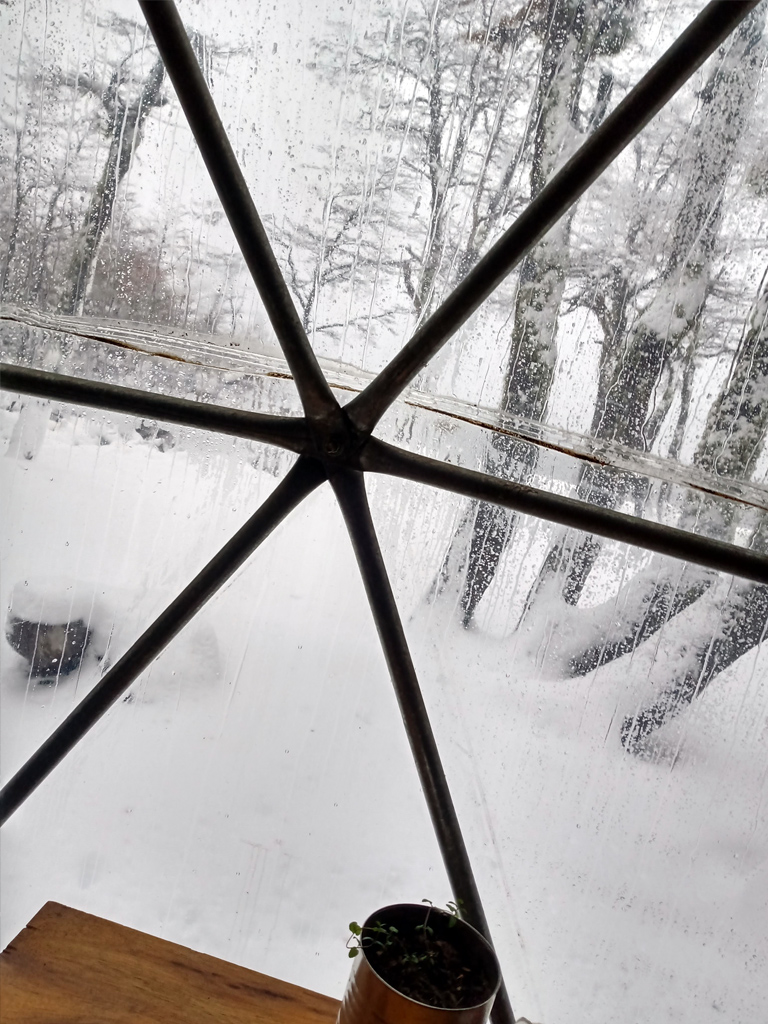
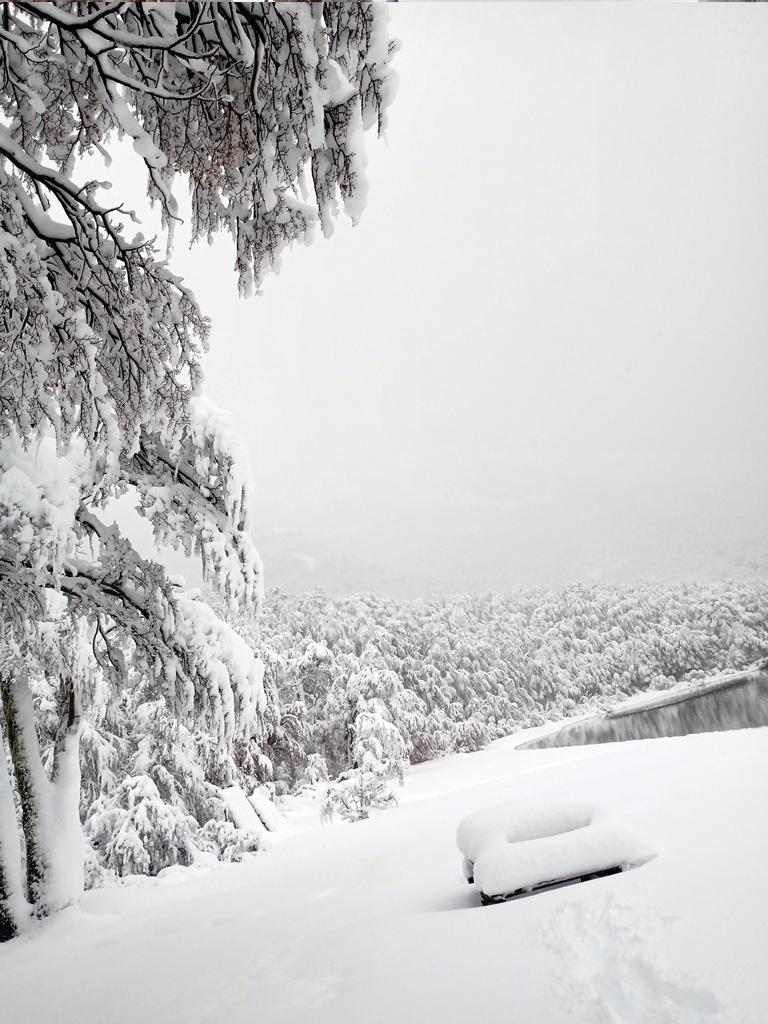
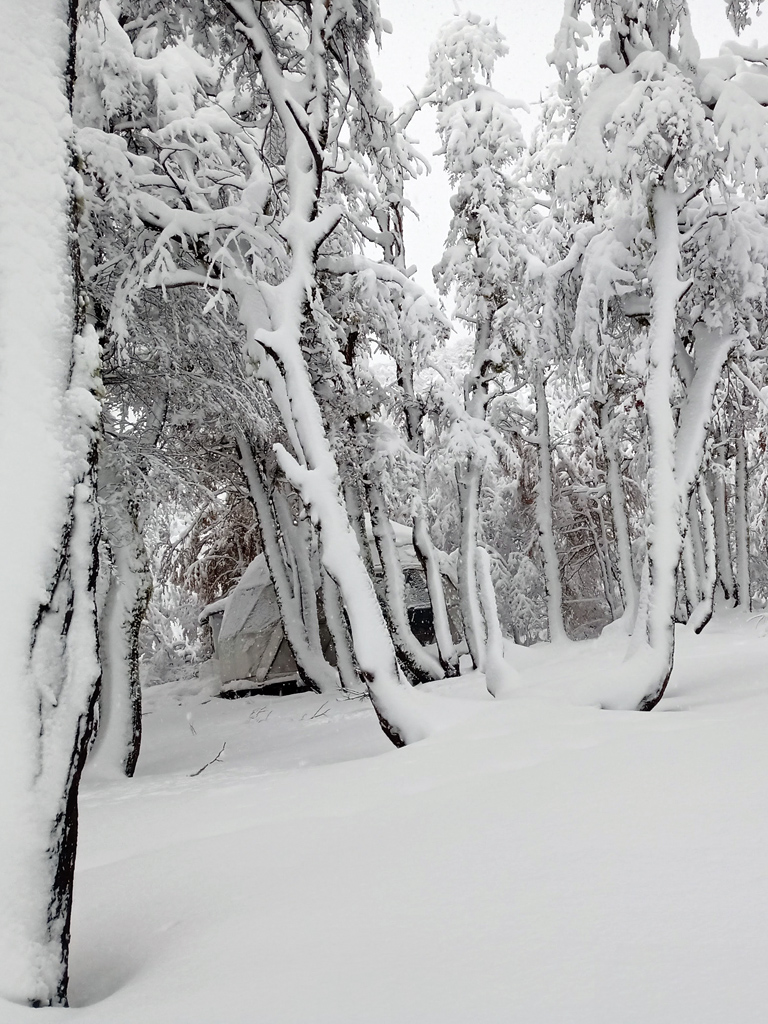
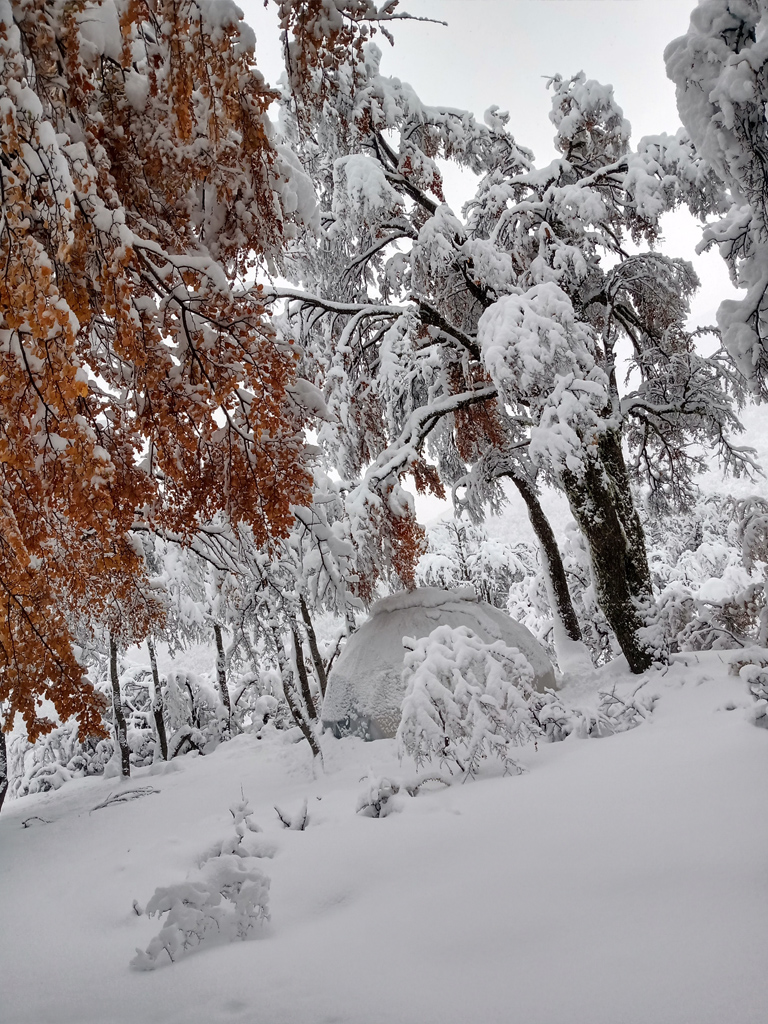
The ascent takes place through lenga forests that at this time of year look straight out of a fairytale. Snow creates new shapes on branches, trunks, and rocks, and the sound of the forest becomes almost nonexistent.
Trekking to Laguna Ilón in winter is a different experience: more physical, cold, and wild, but also more intimate, visual, and profound. The mountain reveals itself only to those who respect it and are prepared to live with it.
After about half an hour of walking, you enter a tall forest where the slope increases considerably. As you gain altitude, Cerro Tronador comes into view through the clearings, with its hanging glaciers and unmistakable profile outlined against the sky.
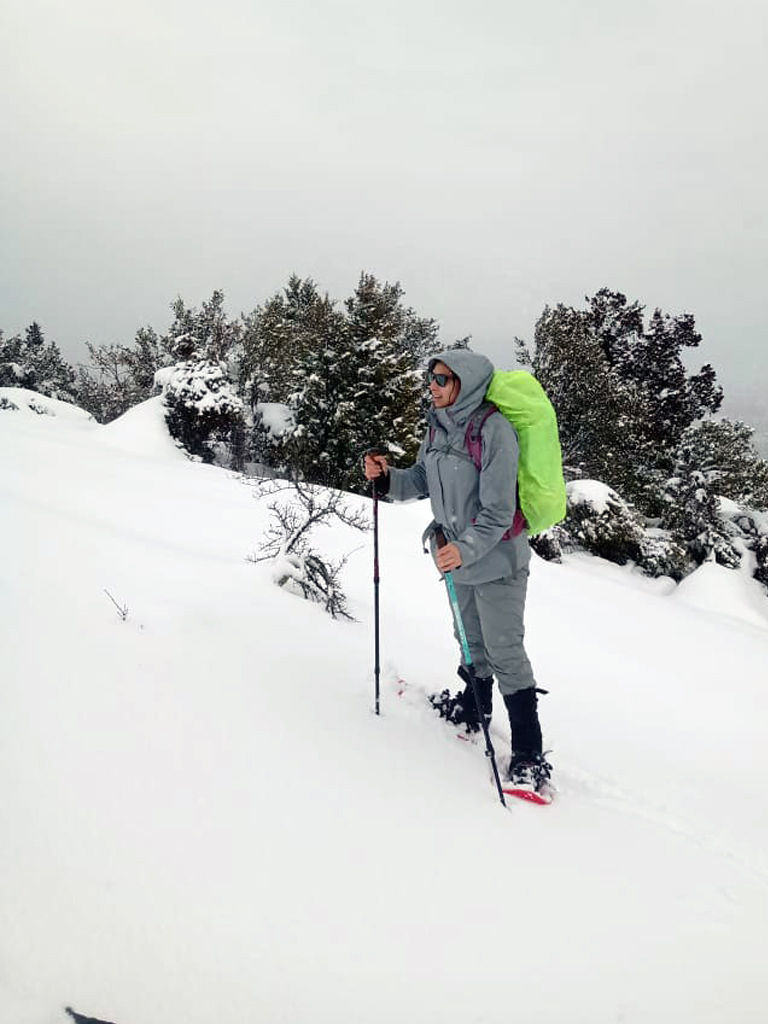
The pace is steady, adapted to the terrain and the demands of winter. Trekking poles dig into the compacted snow, and if accumulation requires, snowshoes will be used to ease the progress.
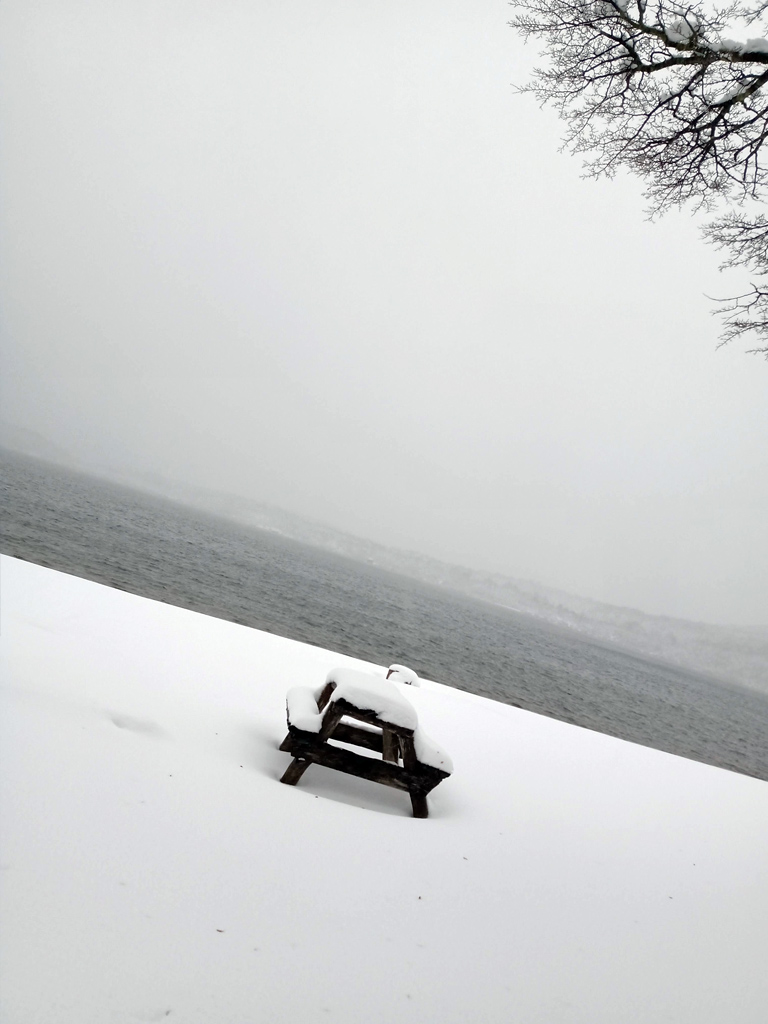
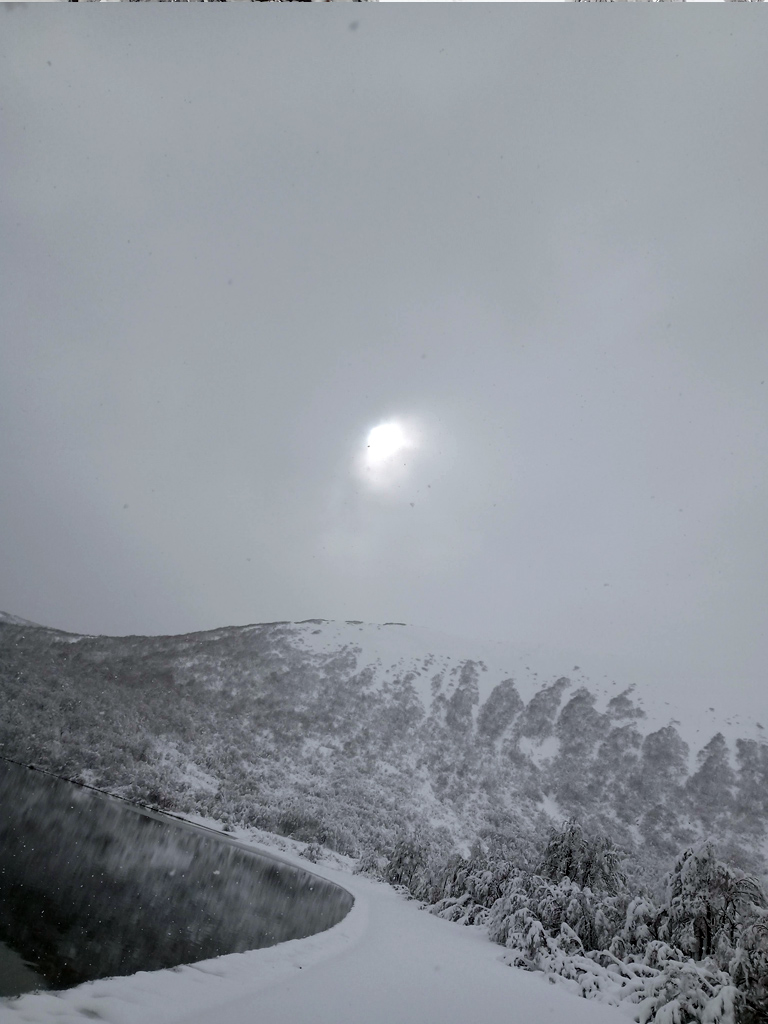
The final section, approaching the lagoon, has very little elevation gain. After several hours of hiking, you arrive at the magical lagoon with the refuge beside it, where you’ll spend the night. In winter, Ilón appears as a large frozen mirror, covered by a layer of ice reflecting the peaks and the sky. The wind runs unobstructed, and silence is total.
The lagoon is located between Cerro del Viento and Cerro Punta Negra. It covers 4 km² and offers a privileged view of Cerro Tronador.
A little higher up, if you still have energy, you can reach Mirada del Doctor: a natural balcony with an amazing view of Lake Frey and much of the Brazo Tristeza of Lake Nahuel Huapi. You can also see part of Cerro Punta Negra, with Laguna Ilón in the background, creating an unforgettable snowy landscape.
The Patagonian winds are known for their intensity. Winds can exceed 100 km/h in some areas—do you know how they affect vegetation? When you’re at the lagoon, you’ll notice the effect firsthand.
The return is along the same trail, with one last chance to enjoy the calm beauty of the snowy forest.
Are you ready to discover the perfect combination of snow-covered mountains and winter tranquility in a single trek?